- Tel: +86 13451474678 / 13451474678
- Email: / hbzinanmech@gmail.com

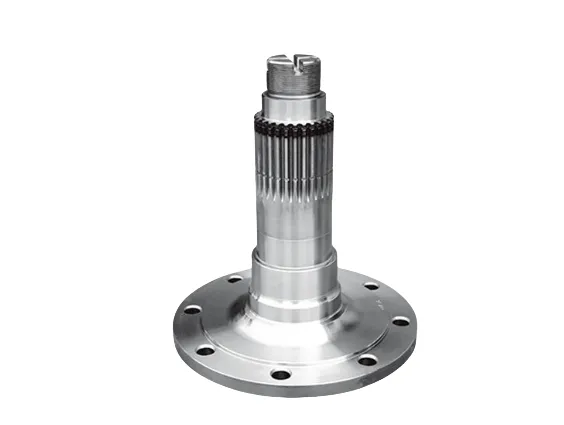
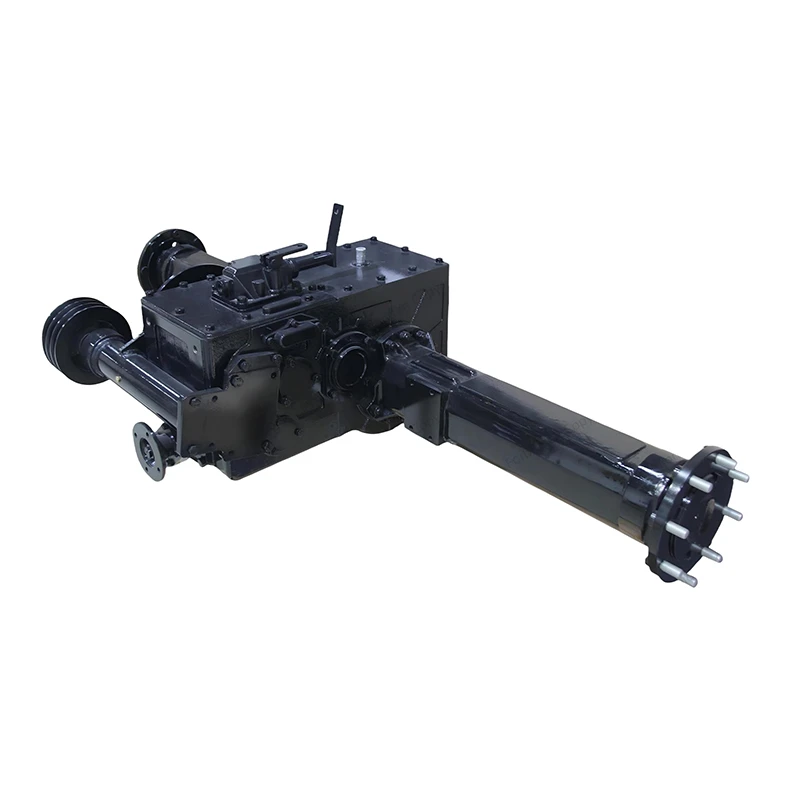
dual input gearbox
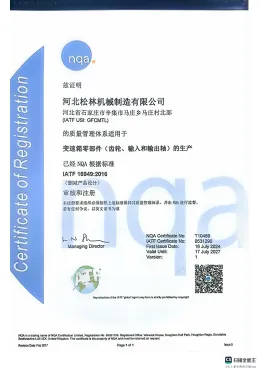
Understanding Gearboxes: What is Gearbox and Its Function In the vast landscape of mechanical engineering, the gearbox stands as a fundamental component, often overlooked yet indispensable. At its core, a gearbox is a mechanical system designed to transmit power from a prime mover (like an engine or motor) to an output device, while simultaneously modifying the speed and torque. This critical transformation is achieved through a precise arrangement of gears, which intermesh to alter the rotational dynamics. Understanding what is gearbox and its function is crucial for any industrial application requiring controlled motion and efficient power transmission. The primary purpose of a gearbox, often known as a gear reduction unit or speed reducer, is to manage the rotational speed and torque. For instance, an electric motor might operate most efficiently at high rotational speeds, but the application (e.g., a conveyor belt or a pump) may require lower speeds with higher torque. A gearbox serves as the intermediary, converting high-speed, low-torque input into low-speed, high-torque output, or vice-versa. This capability ensures that machinery operates at optimal efficiency and performs its intended task effectively, making the question of what is gearbox and its function central to industrial design. Beyond speed and torque conversion, gearboxes also provide directional changes, prevent back-driving, and distribute power to multiple output shafts. Their robust construction and precision engineering make them vital across an enormous range of industries, from heavy manufacturing to precision robotics. This article delves deep into the mechanisms, applications, and manufacturing excellence behind these essential power transmission components. The Core Functions: What is Function of Gear Box and Its Importance To fully grasp what is gearbox and its function , one must appreciate its multi-faceted role in mechanical systems. The fundamental function of gear box lies in its ability to modify the output speed and torque of a power source. This is achieved through varying gear ratios. When a smaller gear drives a larger gear, the output speed decreases, and the torque increases. Conversely, if a larger gear drives a smaller gear, the output speed increases, and the torque decreases. Speed Reduction/Increase: This is the most common function of gear box . Many prime movers, like electric motors or internal combustion engines, produce high rotational speeds. Industrial applications often require significantly lower speeds but with much greater force or torque. The gearbox facilitates this reduction, allowing the motor to operate within its efficient speed range while meeting the application's torque demands. Torque Multiplication: Inversely related to speed reduction, torque multiplication is crucial for moving heavy loads or overcoming significant resistance. By reducing speed, the gearbox simultaneously increases the output torque, enabling machinery to perform heavy-duty tasks that the prime mover alone could not manage. This highlights a key aspect of what is gearbox and its function . Directional Change: Certain gearbox designs, such as bevel gearboxes or worm gearboxes, can change the direction of rotation, typically by 90 degrees or more. This is essential for applications where the input and output shafts are not aligned in the same plane. Power Distribution: Some gearboxes are designed to split power from a single input to multiple output shafts, each potentially at different speeds and torques, enhancing system versatility. Inertia Matching: Gearboxes can help match the inertia of the load to the inertia of the motor, improving system responsiveness and control, reducing wear, and optimizing energy consumption. These core functions underscore why gearboxes are not merely optional accessories but critical, load-bearing components that determine the operational efficiency, reliability, and lifespan of mechanical systems. Their precise engineering ensures that mechanical power is delivered exactly where and how it is needed. Industry Trends and Technological Advancements in Gearbox Design The industrial gearbox market is continually evolving, driven by demands for higher efficiency, increased power density, extended lifespan, and reduced environmental impact. Current trends illuminate the future of what is gearbox and its function : Emphasis on Energy Efficiency: With rising energy costs and environmental regulations, the focus is on developing gearboxes with higher efficiency ratings, minimizing power loss through friction and heat. This involves improved gear tooth profiles, advanced lubrication systems, and reduced internal resistance. Modern gearboxes often boast efficiencies exceeding 95-98%. Modularity and Customization: Manufacturers are increasingly offering modular designs that allow for greater flexibility and easier customization to specific application needs. This simplifies inventory, accelerates production, and reduces lead times for various configurations, enhancing the versatility of what is function of gear box . Smart Gearboxes and IoT Integration: The integration of sensors for condition monitoring (e.g., vibration, temperature, oil quality) is a significant trend. Predictive maintenance capabilities, enabled by IoT (Internet of Things) platforms, allow for early detection of potential failures, reducing unplanned downtime and extending operational life. This represents a significant evolution of what is gearbox and its function . Advanced Materials and Manufacturing: The use of specialized alloys, surface treatments (e.g., nitriding, carburizing), and precision manufacturing techniques like CNC machining and grinding are leading to gearboxes that are smaller, lighter, yet capable of handling greater loads and operating under more extreme conditions. Noise and Vibration Reduction: With stricter workplace safety and environmental standards, manufacturers are investing in designs that minimize noise and vibration output, contributing to a more ergonomic and safer working environment. Digital Twin Technology: Creating digital replicas of physical gearboxes allows for advanced simulation, optimization, and predictive analysis throughout the gearbox lifecycle, from design to operation. These trends collectively define the next generation of gearboxes, moving towards more intelligent, efficient, and robust solutions capable of meeting the rigorous demands of modern industrial processes. Technical Parameters and Specifications of Gearboxes The selection and design of a gearbox are governed by a range of critical technical parameters. Understanding these parameters is essential for engineers and procurement specialists when defining what are the function of gear box for a specific application. Key parameters include: Gear Ratio: The ratio of the number of teeth on the driven gear to the number of teeth on the driving gear, or the ratio of input speed to output speed. It directly determines the speed reduction and torque multiplication. Common ratios range from 1:1 to over 1000:1 for multi-stage systems. Input Power/Torque: The maximum power (kW/HP) or torque (Nm) that the gearbox can safely receive from the prime mover. Output Power/Torque: The maximum power or torque that the gearbox can deliver to the driven machine. Output torque is usually the most critical factor for sizing. Efficiency: The ratio of output power to input power, expressed as a percentage. It indicates the energy lost within the gearbox, primarily due to friction. High efficiency (e.g., >95% for helical gearboxes) is desirable for energy savings. Service Factor: A crucial safety factor that accounts for variations in load, operating conditions, and potential shock loads. A higher service factor indicates a more robust design for demanding applications. Operating Temperature Range: The ambient and internal temperature limits within which the gearbox can safely operate, influencing lubrication choice and cooling requirements. Mounting Orientation: Specifies how the gearbox can be installed (e.g., foot-mounted, flange-mounted, shaft-mounted). Backlash: The amount of clearance or lost motion between mating gear teeth. Low backlash is critical for precision applications. Lifespan/L10 Bearing Life: Often specified as the expected operating hours before 10% of a batch of identical bearings fail, indicating the durability of the gearbox. Typically in the range of 20,000 to 100,000 hours. IP Rating: Ingress Protection rating, indicating the degree of protection against solids (dust) and liquids (water), crucial for harsh industrial environments. To illustrate common parameters, here's a generalized table summarizing typical ranges for various industrial gearboxes. These are illustrative values and can vary widely based on specific design and application. This data helps in understanding what is gearbox and its function across different types. Common Gearbox Technical Parameters Overview Parameter Helical Gearbox Worm Gearbox Planetary Gearbox Gear Ratio (i) 1.25 - 280 5 - 100 3 - 10,000+ Efficiency (%) 92 - 98 50 - 90 (lower at high ratios) 94 - 97 (per stage) Max Output Torque (Nm) Up to 200,000 Up to 5,000 Up to 1,000,000+ Noise Level (dB) Low (50-75) Very Low (45-65) Low (55-80) Backlash (arcmin) 5 - 15 10 - 30 <1 - 5 (precision) Lifespan (L10h) 20,000 - 60,000 10,000 - 30,000 30,000 - 100,000+ These specifications enable engineers to precisely match gearbox capabilities to operational demands, ensuring optimal performance and longevity for any given industrial process. This structured approach is vital for anyone considering what is gearbox and its function in a specific context. The Manufacturing Process of a Gearbox: From Raw Material to Precision Assembly The creation of a high-performance gearbox, such as the Bend Transmission Box Assembly, is a complex process demanding precision engineering, advanced metallurgy, and stringent quality control. The manufacturing journey for a robust component illustrating what is gearbox and its function typically involves several key stages: 1. Material Selection and Preparation: Housing: For our Bend Transmission Box Assembly, the housing is typically made from high-grade cast iron (e.g., HT250, GG25) or ductile iron (e.g., QT500-7) for superior vibration damping and structural rigidity, or in some cases, high-strength aluminum alloys for weight reduction in specific applications. These materials are selected for their excellent mechanical properties and resistance to deformation under load. Gears and Shafts: Critical components like gears and shafts are predominantly manufactured from high-alloy steels (e.g., 20CrMnTi, 42CrMo, or 18CrNiMo7-6) chosen for their exceptional hardness, wear resistance, and fatigue strength after heat treatment. 2. Core Manufacturing Processes: Casting (for Housing): The initial step for the gearbox housing involves precision sand casting or die casting to achieve the intricate internal and external geometries. This process is followed by a thorough shot blasting and cleaning to remove impurities and prepare the surface. Forging (for Gears and Shafts): Gear blanks and shafts are typically forged to enhance grain structure and mechanical properties, making them more resilient to the stresses of power transmission. CNC Machining: Both housing and forged components undergo extensive CNC (Computer Numerical Control) machining. This includes boring, milling, turning, and drilling operations, ensuring precise dimensions, parallelism, concentricity, and surface finishes critical for gear meshing and bearing fit. Tolerances often fall within microns. Gear Cutting: Gears are formed using specialized gear cutting processes like hobbing (for spur and helical gears), shaping, or milling. This creates the exact tooth profile. Heat Treatment: A crucial stage, heat treatment (e.g., carburizing, nitriding, induction hardening) enhances the surface hardness of gear teeth and critical shaft areas while maintaining a tough core. This significantly improves wear resistance, fatigue life, and overall durability, directly impacting the lifespan and performance related to what is gearbox and its function . Gear Grinding: Post-heat treatment, gears undergo precision grinding to achieve the final tooth profile accuracy, surface finish, and to correct any distortion from heat treatment. This minimizes noise, vibration, and backlash. 3. Assembly and Quality Control: Bearing Installation: High-quality bearings (e.g., SKF, FAG, NSK) are precisely fitted into the housing, supporting the shafts and gears. Sealing: Advanced sealing solutions (e.g., oil seals, labyrinth seals) are integrated to prevent lubricant leakage and protect internal components from contaminants. Lubrication System: The appropriate lubrication system (splash, forced, or combined) is designed and implemented to ensure adequate oil flow to all critical contact points. Assembly: Skilled technicians meticulously assemble the gears, shafts, bearings, and seals into the housing. Inspection and Testing: Every Bend Transmission Box Assembly undergoes rigorous multi-stage quality control. This includes: Dimensional Inspection: Using CMM (Coordinate Measuring Machine) and other precision instruments to verify all critical dimensions against design specifications. Material Analysis: Spectroscopic and metallurgical tests to confirm material composition and heat treatment effectiveness. Gear Accuracy Testing: Inspection of tooth profile, lead, pitch, and runout. Noise and Vibration Testing: Running the gearbox at various speeds and loads to measure sound levels and vibration patterns to ensure smooth operation. Load Testing: Running the gearbox under simulated operational loads to verify its power transmission capability and thermal stability. Leakage Testing: Pressure testing to confirm the integrity of seals and housing. Adherence to Standards: All manufacturing and testing processes adhere strictly to international standards such as ISO 9001 (Quality Management), ISO 1328 (Gear Accuracy), and AGMA (American Gear Manufacturers Association) standards, ensuring consistent quality and performance. Precision engineering and robust construction are hallmarks of a high-quality gearbox, central to understanding what is gearbox and its function in demanding environments. This meticulous manufacturing process ensures that each Bend Transmission Box Assembly, and indeed any industrial gearbox, meets the highest standards of reliability, efficiency, and longevity, making it a dependable solution for challenging industrial applications and fully embodying what is gearbox and its function . Application Scenarios and Industry Advantages of the Bend Transmission Box Assembly The versatility and robust design of the Bend Transmission Box Assembly make it ideal for a wide array of demanding industrial applications where understanding what are the function of gear box in specific contexts is paramount. Its design optimizes power transmission in compact or angular configurations, offering significant operational advantages across diverse sectors: Applicable Industries: Petrochemical Industry: Used in mixers, agitators, pumps, and cooling tower fans, where reliable, explosion-proof, and corrosion-resistant gearboxes are critical due to hazardous environments and continuous operation. The Bend Transmission Box Assembly's robust housing and sealing prevent ingress of corrosive substances. Metallurgy and Mining: Applications include conveyor belts, crushing equipment, rolling mills, and hoists. These environments demand gearboxes that can withstand high shock loads, abrasive dust, and extreme temperatures, providing the necessary torque for heavy material handling. Water Treatment and Wastewater Management: Essential for aeration systems, clarifiers, sludge dewatering equipment, and pump stations. In these scenarios, gearboxes must offer high efficiency, quiet operation, and exceptional resistance to moisture and corrosive agents, ensuring continuous flow and treatment processes. Power Generation: Integrated into coal pulverizers, wind turbine yaw drives, and cooling systems in thermal power plants, requiring high reliability and long service life under continuous operation. Material Handling: Conveyors, stackers, reclaimers, and automated storage and retrieval systems (AS/RS) rely on precise and durable gearboxes for smooth and efficient movement of goods. Cement and Construction: In rotary kilns, ball mills, and crushing plants, where heavy loads and abrasive conditions are prevalent, robust gearboxes are indispensable. Advantages in Typical Application Scenarios: Energy Efficiency: Designed with optimized gear geometry and high-precision manufacturing, the Bend Transmission Box Assembly minimizes power loss, leading to significant energy savings. For example, in a large-scale pumping station operating 24/7, a 2% improvement in gearbox efficiency can translate into hundreds of thousands of dollars in annual energy cost reductions. This directly contributes to understanding what is gearbox and its function in terms of operational cost. Superior Anti-Corrosion Properties: For industries like petrochemicals and water treatment, the gearbox housing and critical external components can be treated with specialized coatings or manufactured from corrosion-resistant materials (e.g., stainless steel elements, epoxy coatings). This prevents degradation from harsh chemicals, saline environments, or high humidity, extending lifespan and reducing maintenance costs. High Torque Density: Despite its compact design, the Bend Transmission Box Assembly delivers exceptional torque capacity, allowing for smaller footprints without compromising on power delivery. This is crucial for applications with space constraints. Reduced Noise and Vibration: Precision-ground gears and robust housing design contribute to lower noise emissions and reduced vibration, creating a safer and more comfortable working environment and prolonging the life of surrounding machinery. Extended Service Life: Through robust design, high-quality materials, advanced heat treatment, and optimal lubrication systems, the Bend Transmission Box Assembly is engineered for a long operational life, reducing downtime and total cost of ownership (TCO). Operational Reliability: Built to withstand continuous, heavy-duty operation, ensuring minimal breakdowns and consistent performance even in challenging industrial settings. These advantages demonstrate how a specialized gearbox like the Bend Transmission Box Assembly goes beyond basic speed and torque conversion, delivering enhanced performance, reliability, and cost-effectiveness tailored to the specific demands of modern industrial processes, proving the extensive scope of what is gearbox and its function . Manufacturer Comparison and Strategic Partnering When considering what is gearbox and its function in the context of procurement, choosing the right manufacturer is as crucial as selecting the right technical specifications. The global gearbox market is diverse, with numerous players offering a range of products. While large multinational corporations like Siemens, Flender (now part of Siemens), SEW Eurodrive, and Bonfiglioli dominate certain segments with their vast product portfolios and global reach, specialized manufacturers like ZinAnMech offer distinct advantages, particularly in niche or highly customized applications. Key Differentiation Factors: Customization Capability: While larger manufacturers often provide extensive standard ranges, their ability to offer highly specialized, bespoke solutions with shorter lead times can be limited. Manufacturers like ZinAnMech excel in developing custom Bend Transmission Box Assembly solutions tailored to unique operational constraints, spatial requirements, or extreme environmental conditions. This flexibility in addressing specific demands is a key part of our value proposition. Application Expertise: Specialized manufacturers often possess deep, focused expertise in particular application areas or gearbox types. This concentrated knowledge allows for more insightful design, optimization, and troubleshooting, directly benefiting clients with complex or uncommon needs regarding what is gearbox and its function . Agility and Responsiveness: Leaner organizational structures often mean quicker response times for inquiries, technical support, and faster adaptation to client feedback or emerging technical requirements. This agility can be critical in time-sensitive projects. Value Proposition: While global brands may come with a premium, specialized manufacturers can often offer competitive pricing without compromising on quality, leveraging efficient production processes and focused R&D. After-Sales Support & Service: A dedicated focus often translates into more personalized and responsive after-sales service, including technical assistance, spare parts availability, and field support, which is vital for maintaining operational continuity. ZinAnMech's Position in the Market: ZinAnMech positions itself as a reliable partner for industrial enterprises seeking high-quality, durable, and specifically engineered gearboxes. Our focus on the Bend Transmission Box Assembly and similar specialized units demonstrates our commitment to delivering optimal power transmission solutions. We combine advanced manufacturing techniques with extensive application experience, ensuring that our products meet or exceed the performance expectations for demanding industrial environments. Our adherence to international standards and robust quality control processes provides the assurance of reliability and longevity that B2B clients require when evaluating what is gearbox and its function from a supplier perspective. Choosing a manufacturing partner extends beyond just product specifications; it encompasses a relationship built on trust, expertise, and mutual understanding of project requirements. ZinAnMech aims to be that trusted partner, delivering not just products, but comprehensive power transmission solutions. Customization Solutions for the Bend Transmission Box Assembly In the realm of industrial machinery, a "one-size-fits-all" approach rarely suffices for critical components like gearboxes. Understanding the specific nuances of what is gearbox and its function within a unique operational context often necessitates custom engineering. At ZinAnMech, we recognize this need and offer comprehensive customization services for our Bend Transmission Box Assembly, ensuring it perfectly integrates with and optimizes your existing or new systems. Tailored Engineering Capabilities: Specific Gear Ratios: While standard ratios exist, we can engineer custom gear ratios to precisely match your input speed and desired output torque and speed requirements, optimizing system performance and energy efficiency. Mounting Configurations: From custom flange designs to unique shaft orientations (e.g., specific angles for bend applications), we adapt the gearbox to fit seamlessly into your available space and machinery layout. Material and Surface Treatments: For extreme environments (e.g., highly corrosive, high temperature, abrasive), we can specify specialized housing materials (e.g., stainless steel, higher-grade ductile iron) or apply advanced surface coatings (e.g., ceramic, anti-corrosion paints) to enhance durability and lifespan. Sealing Solutions: Customized sealing arrangements, including dual seals, labyrinth seals, or specific material seals, are offered for applications where dust, moisture, or chemical ingress is a significant concern. Lubrication Systems: Adaptation of lubrication methods (e.g., forced lubrication for high-speed or high-temperature applications, specific oil types for food-grade or environmentally sensitive areas) to ensure optimal thermal management and component longevity. Integrated Monitoring Systems: Integration of advanced sensors for real-time monitoring of temperature, vibration, and oil quality, facilitating predictive maintenance and adherence to Industry 4.0 principles. This truly enhances what is gearbox and its function in a smart factory context. Input/Output Shaft Adapters: Design and manufacture of custom shaft extensions, keyways, or coupling interfaces to ensure perfect compatibility with existing motors and driven equipment. Noise and Vibration Optimization: For sensitive applications, further optimization of gear geometry and housing design can be performed to achieve even lower noise and vibration levels than standard models. Our engineering team collaborates closely with clients, from initial concept development and detailed CAD modeling to prototype testing and final production. This iterative process ensures that the customized Bend Transmission Box Assembly not only meets but exceeds specific operational demands, delivering optimal performance and long-term value. This dedication to tailored solutions is a cornerstone of our commitment to excellence in understanding and delivering what is gearbox and its function . Application Case Studies and Customer Success Stories Understanding what is gearbox and its function becomes even more tangible through real-world applications. Our Bend Transmission Box Assembly has been successfully deployed across various industries, demonstrating its reliability, efficiency, and adaptability. Here are a few illustrative examples: Case Study 1: Large-Scale Water Treatment Plant Challenge: A major municipal water treatment facility required a reliable, low-maintenance gearbox for its primary aeration tank agitators. The existing gearboxes were failing prematurely due to constant exposure to high humidity, corrosive gases, and continuous operation, leading to frequent costly downtime. They needed a solution that would deliver precise agitation while resisting the harsh environment, embodying the critical nature of what is gearbox and its function in such an environment. Solution: ZinAnMech provided a customized Bend Transmission Box Assembly, featuring an IP67-rated housing, specialized anti-corrosion internal coatings, and food-grade synthetic lubricants. The gear ratio was precisely tuned for optimal mixing speed and minimal energy consumption. Results: After 3 years of continuous operation, the ZinAnMech gearboxes demonstrated zero failures and significantly reduced maintenance requirements compared to previous units. The client reported a 7% reduction in energy consumption for the agitation process and commended the extended service life and reliability, validating our understanding of what is function of gear box in critical infrastructure. Case Study 2: Steel Rolling Mill Modernization Project Challenge: A leading steel producer was modernizing its hot rolling mill and needed a compact, high-torque gearbox for its material transfer system. The space constraints were severe, and the gearbox needed to withstand extreme shock loads and high ambient temperatures characteristic of a steel mill. The core challenge was finding a robust solution that understood what are the function of gear box under such demanding physical stresses. Solution: We engineered a high-strength Bend Transmission Box Assembly with a specially reinforced casing and optimized helical gear sets made from hardened alloy steel. A forced lubrication system with an integrated cooling circuit was designed to manage thermal loads effectively. Results: The customized gearbox successfully integrated into the existing tight space envelope. It provided consistent, high-torque power transmission, even under peak loads. The mill reported a significant improvement in material flow consistency and a drastic reduction in maintenance intervals compared to the older system, showcasing the robustness of what is gearbox and its function in heavy industry. Case Study 3: Automated Logistics Warehouse Challenge: An expanding e-commerce logistics company needed quiet, precise, and energy-efficient gearboxes for its new automated sorting and conveying lines. Noise levels were a significant concern due to proximity to administrative offices, and precise stop-start operations were critical for accuracy. Solution: We supplied a series of Bend Transmission Box Assemblies with precision-ground gears and low-backlash characteristics. Special attention was paid to housing design and mounting to minimize operational noise and vibration. Results: The new conveying lines achieved significantly lower noise levels (below 60dB), complying with stringent workplace regulations. The gearboxes' precision allowed for highly accurate package sorting, reducing errors by 15%. The client praised the quiet operation and the improved efficiency of their automated system, underscoring the subtle yet crucial aspects of what is gearbox and its function in modern automation. These case studies exemplify ZinAnMech's commitment to delivering high-performance, tailored power transmission solutions that address specific industrial challenges and contribute directly to our clients' operational success and profitability. Our experience validates our expertise in answering the fundamental question: what is gearbox and its function in real-world applications? Establishing Trust: Our Commitment to Quality and Support ( Principles) At ZinAnMech, our dedication to excellence extends beyond engineering and manufacturing. We firmly believe in upholding the highest standards of Expertise, Experience, Authoritativeness, and Trustworthiness () in all our operations. This commitment is paramount in how we deliver solutions and build lasting partnerships, especially when discussing the intricate details of what is gearbox and its function . Expertise and Authoritativeness: Technical Depth: Our engineering team comprises seasoned professionals with decades of cumulative experience in mechanical design, gear technology, and power transmission systems. We speak the language of torque, speed, and efficiency, providing precise technical explanations and solutions for what is gearbox and its function in any industrial context. Industry Certifications: ZinAnMech operates under strict quality management systems, certified to ISO 9001:2015 standards. Our manufacturing processes and products also adhere to relevant international standards such as AGMA (American Gear Manufacturers Association) and DIN (Deutsches Institut für Normung) for gear quality and precision. Partnerships and Collaborations: We maintain strong relationships with leading material suppliers and bearing manufacturers (e.g., SKF, FAG), ensuring that only the highest quality components are integrated into our Bend Transmission Box Assembly. Our strategic collaborations with research institutions keep us at the forefront of gearbox technology. Testing and Validation: Every product undergoes rigorous testing, including endurance tests, load tests, and thermal performance tests, backed by comprehensive data analysis. Our test benches simulate real-world conditions, providing verifiable performance metrics and demonstrating the reliability inherent in what is gearbox and its function . Experience and Trustworthiness: Proven Track Record: With over 15 years of service in the power transmission industry, ZinAnMech has successfully delivered thousands of gearbox solutions to clients across petrochemical, metallurgical, water treatment, and other heavy industries. Our extensive client portfolio and repeat business underscore our proven ability to deliver. Customer Feedback Integration: We actively solicit and integrate customer feedback into our product development and service improvement processes. This continuous loop ensures our solutions evolve to meet the dynamic needs of the market and the practical realities of what is gearbox and its function in the field. Transparent Delivery Cycle: We provide clear and predictable delivery schedules, from initial design consultation to final shipment. Typical lead times for standard Bend Transmission Box Assembly units range from 4-6 weeks, with customized solutions requiring 8-12 weeks, depending on complexity. Emergency orders or critical spare parts are prioritized. Comprehensive Warranty: All ZinAnMech products, including the Bend Transmission Box Assembly, come with a standard 2-year warranty against manufacturing defects. Extended warranty options and maintenance contracts are available to provide additional peace of mind and long-term operational assurance, reinforcing our trust in what is gearbox and its function within our products. Dedicated Customer Support: Our global support team offers 24/7 t
-
0YEARS IN THE FIELD
-
0 KEXPERIENCED STAFFS
-
-
-
0 kACCOMPLISHED PROJECT
-
0SATISFIED CLIENTS
-
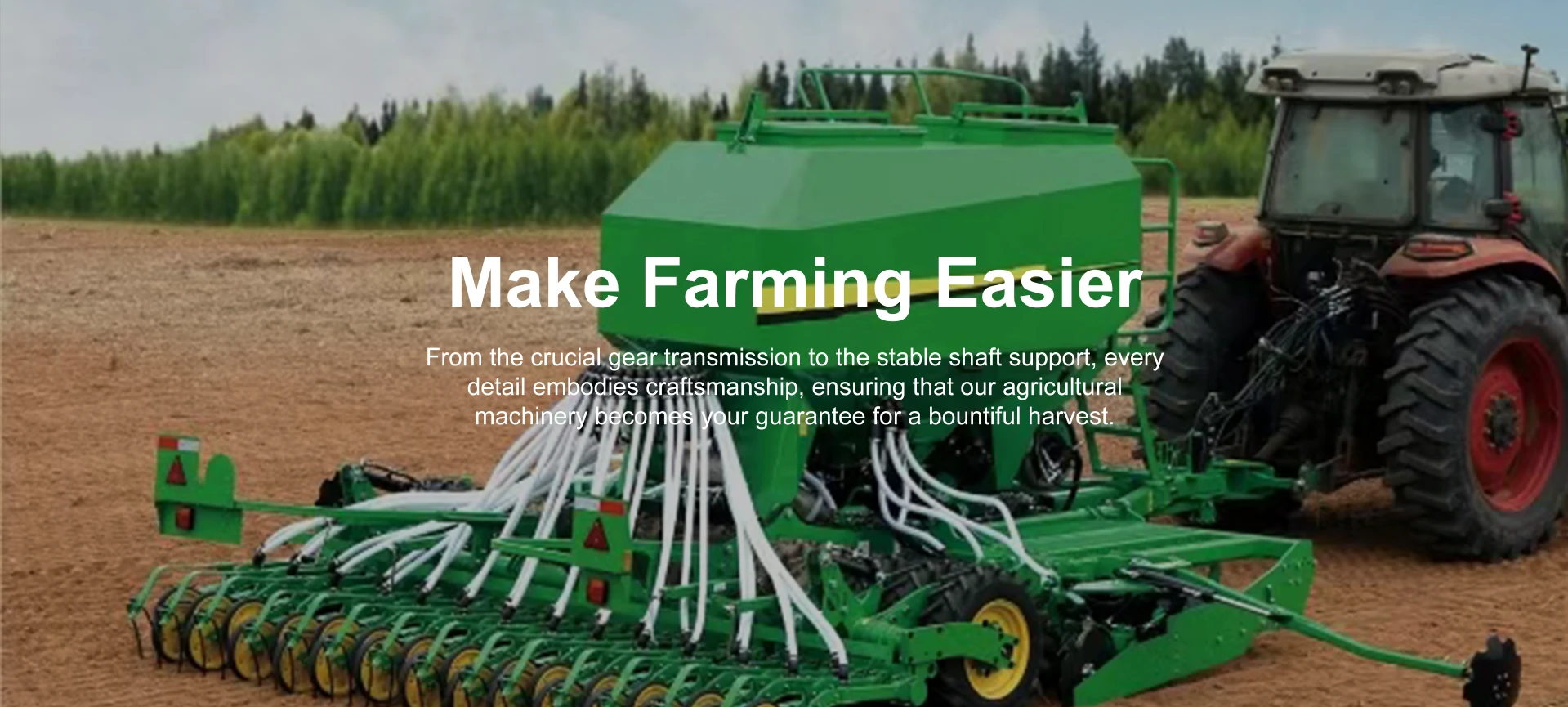
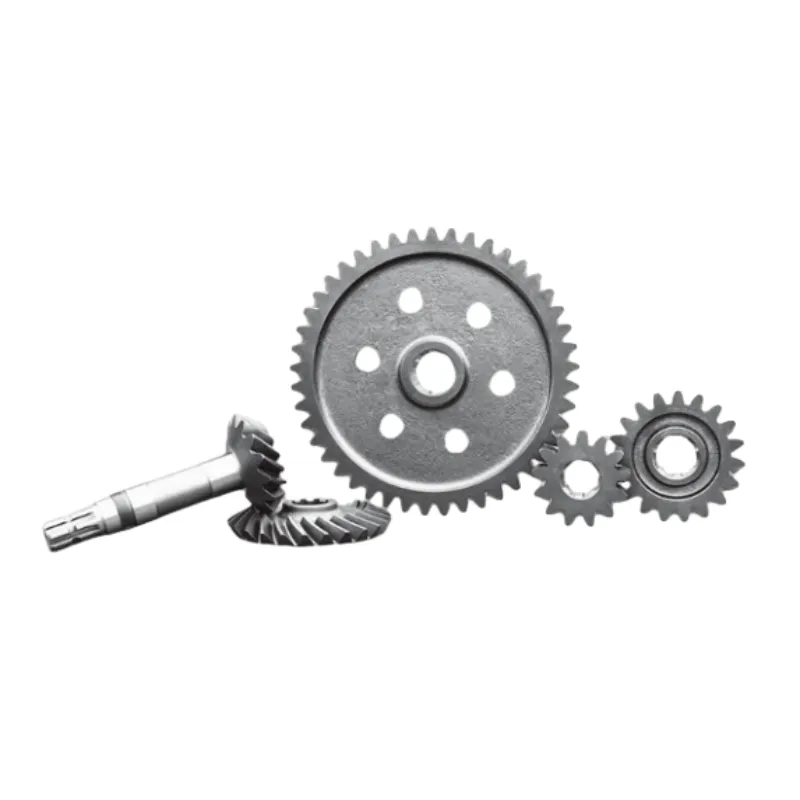
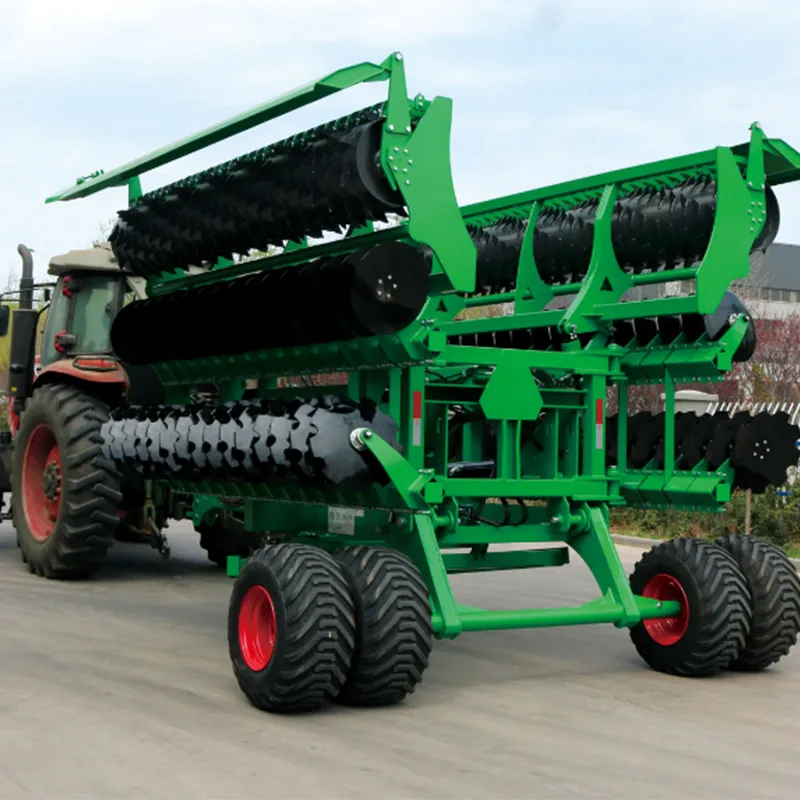
01The Application of Agricultural Machinery Gears In The IndustryAgricultural machinery gears are widely used in the agricultural machinery industry. In tractors, gears are applied to the transmission system. They can transmit the power from the engine to the wheels and achieve different speeds and torques through different gear combinations, so as to adapt to various working conditions such as plowing and transportation.
-
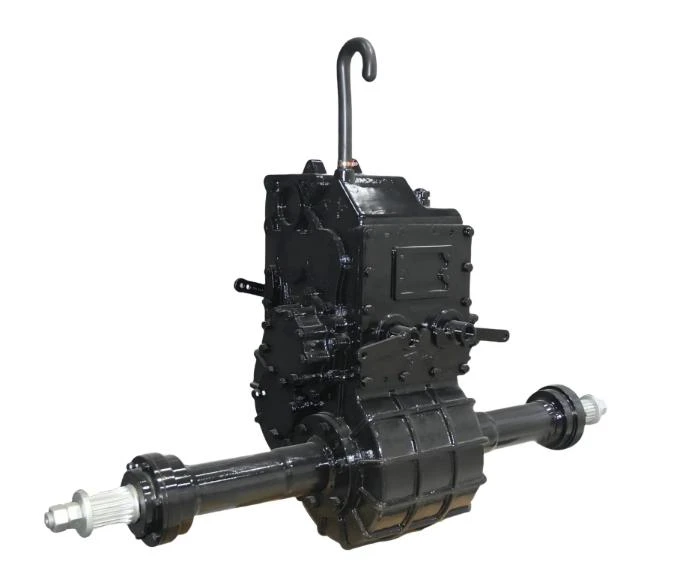
02Application of ComponentsIn agricultural machinery, the gearbox is mainly used to change the transmission ratio. Taking a tractor as an example, when the tractor needs to drive slowly in the field to cultivate the land and other operations, the gearbox can transmit the power of the engine through a lower transmission ratio, thereby outputting a larger torque to ensure that the agricultural machine has enough power to drive the agricultural implement for deep farming and other operations.
-
03Application of Agricultural MachineryField operations: Tractors are one of the most important power machines in agricultural production. In cultivated land operations, it can use powerful power to drive ploughshares to till the land by mounting ploughs to turn, break and level the soil, creating good soil conditions for sowing. For cultivator operations, it can mount cultivators to perform operations such as weeding, loosening and soil cultivation during crop growth to promote the growth of crop roots and nutrient absorption.
International layout
Spread all over the world
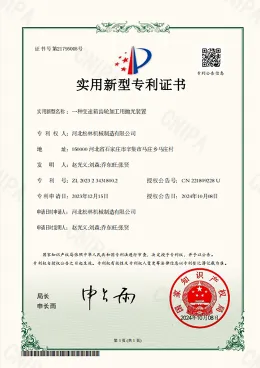
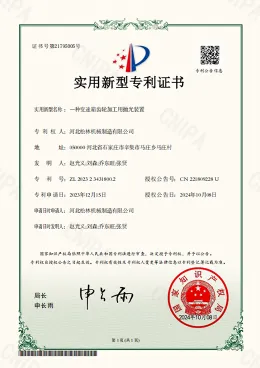
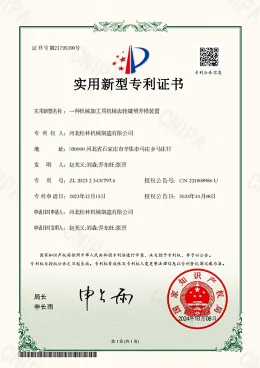
Our agricultural machinery products have won wide recognition and trust in the global market, and our sales network covers many countries and regions.

-
2026-04-05 00:50Elite Primary Drive Gear Shafts _ Trail Gear & Right Angle Drivesprimary drive gear shaft,trail gear drive shaft,drive gear shaft,right angle gear drive is a key sol>
-
2026-04-05 00:36Precision Custom Gears_ Plastic & Spur Gear ManufacturingIn the relentless pursuit of efficiency and reliability across diverse industrial sectors, the role>

-
2026-04-04 22:39Precision Planetary Gear Shafts _ High Tororque & Compact PowerWhat is a Planetary Gear Shaft? A planetary gear shaft serves as the critical backbone in planetary>
Sign up
for Newsletter
Subscribe to the weekly newsletter for all the latest updates